How a Dentist Can Repair a Chipped Tooth With Dental Bonding
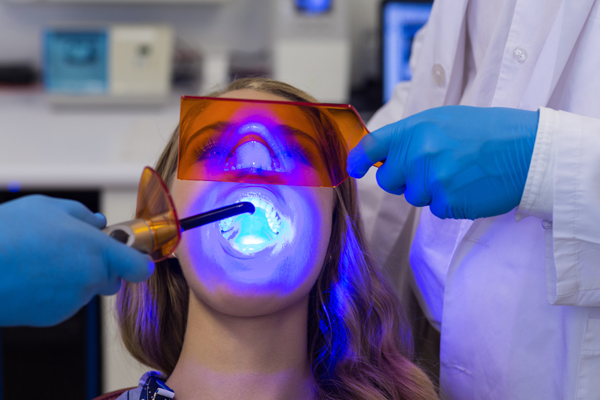
Experiencing a chipped tooth often causes sudden stress, but a quick treatment like dental bonding is a seamless way to repair the enamel instantly. This simple process rebuilds the lost structure without requiring extensive drilling or alteration. To learn if this option is right for your compromised tooth, schedule a consultation at our Selma office.
Why an enamel chip deserves prompt attention
Even a tiny imperfection on a front tooth can catch the tongue, create annoying sensitivity, and affect its appearance. Over time, an unresolved crack or chip exposes the inner layers of the tooth to harmful oral bacteria, accelerating the risk of deep decay. Addressing the damage early on preserves the enamel's strength and prevents more costly interventions down the road. Plainly, treating a minor blemish early keeps the structural foundation of the smile intact and functional.
Restoring balance and aesthetics cleanly
Dental bonding allows the dentist to sculpt a durable composite material directly onto the clean surface of the enamel. The highly manipulable resin matches the unique translucency and coloration of the surrounding teeth, rendering the final repair virtually invisible to the naked eye. Dental bonding corrects minor structural blemishes, closes small gaps, and quickly masks stubborn surface stains, allowing patients to walk out of the office with a fully renewed sense of self-assurance and a complete smile.
The step-by-step process of dental bonding
The dental bonding procedure unfolds smoothly during a single, comfortable afternoon appointment at the dental practice. First, the dentist conditions the enamel with a gentle solution to ensure the new material adheres flawlessly to the surface. Next, they apply the soft composite resin layer by layer, shaping it to mirror the natural contour of the bite. Then the dentist uses a specialized curing light to harden the material instantly, ensuring the bond withstands long-term daily use. Finally, they polish the tooth and material to eliminate any rough edges so the tooth feels smooth and natural.
Long-term maintenance and care for the new smile
Maintaining a newly restored smile involves simple daily mindfulness and good oral hygiene habits at home. While the specialized composite material possesses incredible strength, avoiding certain harmful behaviors prevents premature chipping or staining over time. Regular professional cleanings every six months allow the dental team to polish the composite material and ensure long-term structural success.
Simple protective measures include:
- Using a soft-bristle toothbrush to clean the enamel without scratching the composite resin
- Avoiding habits like chewing ice, biting fingernails, or crunching hard candies
- Avoiding sticky foods that could pull the material away from the tooth
- Refraining from using the front teeth as tools to open packages or rip materials
Repair your teeth today
Ultimately, undergoing dental bonding represents a highly practical solution for repairing minor dental injuries and protecting the rest of the tooth structures. This procedure provides a blend of functional strength and cosmetic refinement without requiring extensive downtime or financial strain. To learn more about dental bonding or to determine whether you are an ideal candidate, contact our office to schedule a consultation.
Request an appointment here: https://www.selmasunshinedental.com or call Selma Sunshine Dental at (559) 257-4080 for an appointment in our Selma office.
Check out what others are saying about our dental services on Yelp: Dental Bonding in Selma, CA.
Related Posts
If you have a cracked, discolored, or chipped tooth, dental bonding can be a good option. This is a cosmetic dental procedure and can encourage you to smile more. In the procedure, your dentist will apply resin to your teeth that is the same color as your teeth. That can repair any damage. It can…
Many patients are nervous before a dental bonding procedure, although the procedure itself is non-invasive, only takes one dental visit and does not require any anesthesia. You can prepare yourself mentally and physically for the procedure, however, by knowing what to expect, how to prepare and what to plan for after the procedure. The following details…
Dental bonding has long been a common method of tooth restoration. Your dentist has the knowledge and training to successfully perform this procedure. The dentist will also know when it is appropriate to use bonding to repair a tooth or other oral health or cosmetic issue. There are certain situations where this makes more sense…
Cosmetic dentistry can be an important part of helping you feel more confident and have a healthier smile, but not all dentistry procedures are the same. Composite bonding is one popular dental procedure that's often used in dentistry. It allows the dentist to restore teeth in several different ways depending on the patient's individual needs…